Laparoscopic Hiatal Hernia Repair with Fundoplication
Laparoscopic Hiatal Hernia Repair
Laparoscopic Hiatal Hernia Repair with Fundoplication
Dr-Alassaf
Feb 26, 2026
What Is a Hiatal Hernia?
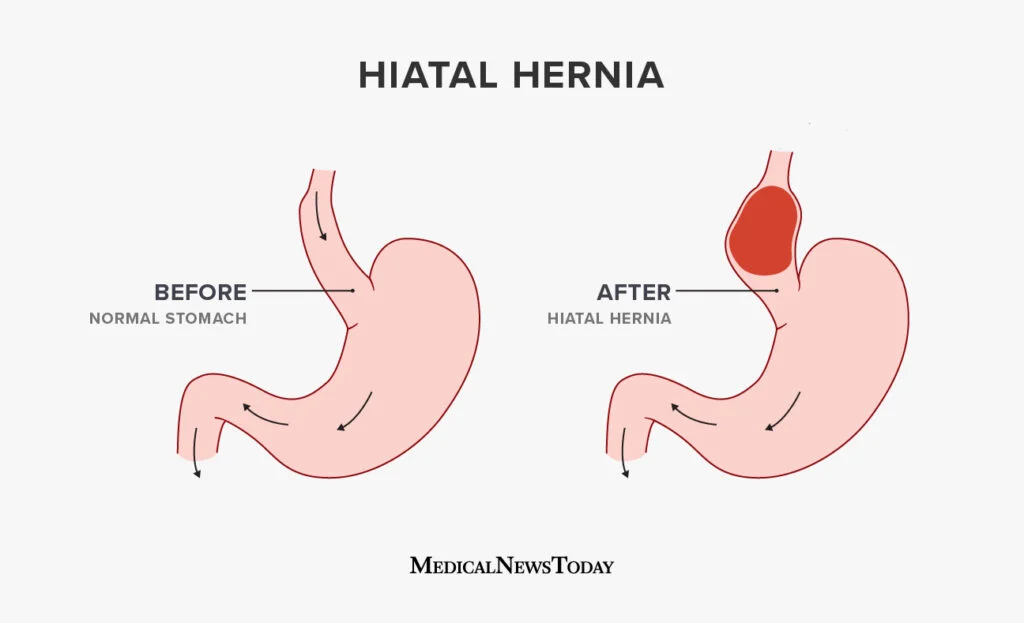
A hiatal hernia occurs when the upper part of the stomach pushes through the diaphragm (the muscle that separates the chest from the abdomen) into the chest. This can lead to:
• Heartburn or acid reflux
• Regurgitation of food or acid
• Chest discomfort or pain
• Difficulty swallowing
Hiatal hernias are common, especially in adults over 50.
What Is Fundoplication?
Fundoplication is a surgical procedure often performed along with hiatal hernia repair. In this procedure:
• The upper part of the stomach (fundus) is wrapped around the lower esophagus.
• This strengthens the valve between the stomach and esophagus, preventing acid from flowing back (reflux).
When performed laparoscopically, the surgery is minimally invasive, using small keyhole incisions.
How Is Laparoscopic Hiatal Hernia Repair Performed?
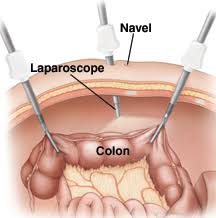
1. Small incisions are made in the abdomen.
2. A camera and instruments are inserted to repair the hernia and pull the stomach back into its normal position.
3. Fundoplication is performed to wrap the stomach around the esophagus.
4. Incisions are closed with small sutures or glue.
The surgery usually takes 1–2 hours, depending on the size of the hernia and patient factors.
Why Surgery Is Needed (Indications)
Surgery may be recommended if you have:
• Persistent heartburn or acid reflux that does not respond to medications
• Large hiatal hernia causing difficulty swallowing or chest pressure
• Complications such as esophagitis, ulcers, or bleeding
• Hiatal hernia that causes part of the stomach to twist (volvulus)
Benefits of Laparoscopic Hiatal Hernia Repair with Fundoplication
• Relief from acid reflux and heartburn
• Minimally invasive – smaller cuts, less pain, and faster recovery
• Shorter hospital stay compared with open surgery
• Faster return to normal activities
• Ability to examine other abdominal organs during surgery for additional abnormalities
• Prevents hernia recurrence in most patients when combined with fundoplication
Risks and Possible Complications
Although safe, potential risks include:
• Bleeding or infection
• Difficulty swallowing after surgery (usually temporary)
• Gas bloating or inability to burp
• Hernia recurrence (rare)
• Injury to nearby organs (rare)
Your surgical team will take steps to minimize these risks.
Recovery After Surgery
• Most patients walk on the same day
• Hospital stay is usually 1–3 days
• Eating starts with liquids and gradually advances to normal diet within 6 weeks.
• Full recovery usually takes 2–6 weeks.
• Avoid heavy lifting or straining for a few weeks
Living After Surgery
• Most patients experience long-term relief from heartburn and reflux
• Eating smaller meals and avoiding certain trigger foods may still be helpful
• Follow-up with your doctor is important to monitor healing and prevent complications
Final Message
Laparoscopic hiatal hernia repair with fundoplication is a safe, effective, gold standard, and minimally invasive treatment for hiatal hernias and reflux. It relieves symptoms, prevents complications, and allows patients to return to normal life safely and comfortably.
Dr. Mohammed Alassaf
Consultant Bariatric & Gastrointestinal Surgeon
Dr. Alassaf is a leading expert in minimally invasive and bariatric surgery,
with extensive experience helping patients overcome obesity and related conditions.
Having completed advanced training in Australia and the Middle East, he is known
for his compassionate approach and evidence-based surgical care.